
If you live in Sydney and you’re thinking about giving your place a fresh coat of paint, you’re not alone. A lot of homeowners quietly add “repaint the walls” to their mental to-do list and then put it off for years. When you finally get serious about interior home painting services in Sydney, though, a few big questions pop up: Who do I trust? How messy will it be? And is DIY actually worth the headache?
This guide walks you through how interior painting really works in Sydney homes — from picking the right painter to understanding the process, costs and colour choices — so you can go into your 2025 project with clear expectations instead of guesswork.
Why Sydney interiors need a different approach
Interior painting in Sydney isn’t a one-size-fits-all job. A century-old terrace in Newtown behaves very differently from a glassy apartment in Zetland or a breezy place near the beaches.
Coastal areas cop with more salt and humidity, which can mess with how paint cures.
Older homes often hide hairline cracks, patched plaster and swollen timber trims.
Strong sun on certain aspects can fade colours and highlight every roller mark.
Many homes have “patchwork” renovations, so you might have plasterboard in one room and crumbly old render in the next.
A decent painter keeps all of that in mind. They’re not just thinking “What colour?” They’re asking: what’s on these walls now, how stable is it, and what will it look like in a couple of years?
Choosing the right interior painting service
Most people start by searching for something like best interior home painting services and then get stuck scrolling through ads, slick websites and wildly different prices.
Licences and insurance – In NSW, bigger residential painting jobs fall under building work, so you want someone with the right licence and cover. It takes two minutes to run their details through official checks.
Real project photos – Look for jobs in homes that feel like yours in age and style, not just studio shots of one perfect feature wall.
Quote detail – A proper quote spells out prep, patching, undercoat, brand of paint, number of coats and clean-up. “Labour + paint” on a single line doesn’t tell you much.
Communication style – Notice how they talk during the site visit. Do they ask about how you use each room, kids, pets, and timing? Or do they dash around with a tape measure and vanish?
A quick gut check: if someone won’t give clear answers on products, process or licence details, it’s usually a sign to keep looking.
What actually happens during an interior repaint
A full interior repaint sounds simple until you live through it. Knowing the basic flow makes it much easier to plan your week.
The walk-through and quote
A painter who takes the job seriously will want to see the place in person. During that visit, they’ll usually:
Look closely at ceilings, corners, skirting boards and window frames.
Check for hairline cracks, peeling, water damage or mould.
Talk about colours, finishes and any feature walls you’re considering.
Flag access issues like tight stairwells or high voids.
Prep: the boring bit that matters
Covering floors and furniture with drop sheets and plastic.
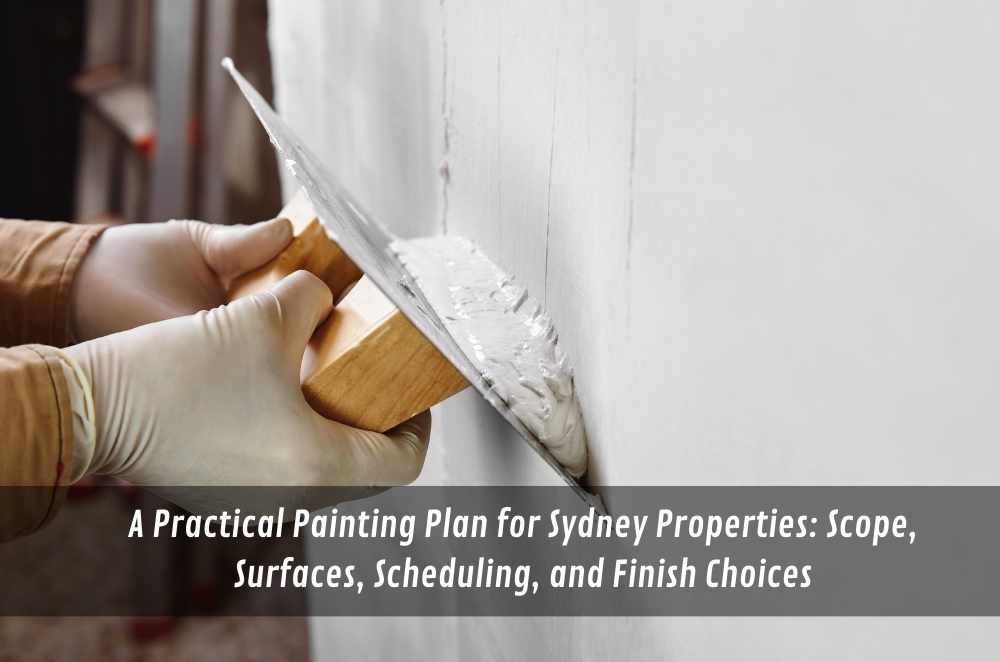
Filling nail holes, dents and small cracks, then sanding them back.
Sanding glossy surfaces so the new paint actually grips.
Spot-priming bare patches, stains and difficult areas.
DIY painters often rush this part, then wonder why the finish looks patchy or starts to peel. The best paint in the world can’t save a wall that was barely cleaned, let alone sanded and primed.
Painting and clean-up
Ceilings first – flat or matte to hide minor imperfections.
Walls – typically in low-sheen for living areas and bedrooms.
Trims and doors – in semi-gloss or gloss for durability.
Touch-ups and final check – they’ll walk the job with you at the end.
Ask how each day will wrap up. Good crews tidy cables, stack gear in one spot, and leave you with liveable rooms, even if some are still drying.
Costs, timing and when DIY actually makes sense
Prices vary a lot between one-bedroom units and big family homes, but the same factors usually drive the number:
The size and height of the rooms.
How much prep and repair is needed?
The number of colours and feature walls.
Access, parking and other small headaches.
The cheapest quote is tempting, but if it’s way below the others, something has usually been left out — extra prep, decent paint or a proper second coat.
If you’re the kind of person who loves spreadsheets and details, you might even spin off a separate piece breaking down different job types and budgets, then link to it with home interior painting services so readers can dive deeper into pricing if they want.
Colour, finishes and going for a premium look
Colour choice is where many people freeze. You buy nine sample pots, dab them all over the wall, and suddenly they all look the same.
Think room by room, then whole home. Start with function: calm for bedrooms, energy for living areas, focus for a study. Then stand back and check that the colours still flow together.
Respect existing finishes. Timber floors, tiles and benchtops all push you towards or away from certain tones. A warm oak floor, for example, doesn’t always love a very cool, blue-based white.
Test properly. Paint decent-sized patches on a couple of walls and look at them morning, midday and evening. Downlights can completely change how a colour reads.
If you’re planning a full refresh, consider luxury Sydney Paintmasters painting to pair tailored colour palettes with meticulous finishes that truly suit the way you live, or bring those ideas back to something practical for your own home and budget.
Final thoughts
Repainting the inside of your home is one of those jobs that looks simple on Instagram but feels bigger once you start. The trick is to treat it like a small project, not just a shopping task. Shortlist a couple of painters who are happy to walk the job properly, explain their process and show licence details. Be honest about your timelines, budget and how you actually live in the space. And don’t skimp on prep — even if you never see the sanding and filling, you’ll definitely see the result every day you walk through the door. Whether you end up doing one room yourself or booking professional interior home painting services in Sydney for a full-home refresh, the aim is the same: a home that feels lighter, cleaner and more “you” every time you step inside.




Write a comment ...