
Choosing a painter isn’t just picking a colour and a date—it’s managing cost, risk, and finish quality. If you’re comparing quotes, start by shortlisting teams that actually specialise in homes (not just commercial touch-ups). A good first filter is browsing residential painting in Sydney and noting how they scope prep, coatings, and warranty. Now, here are the five questions that separate a tidy, durable job from a headache.
1) What exactly is included in surface preparation?
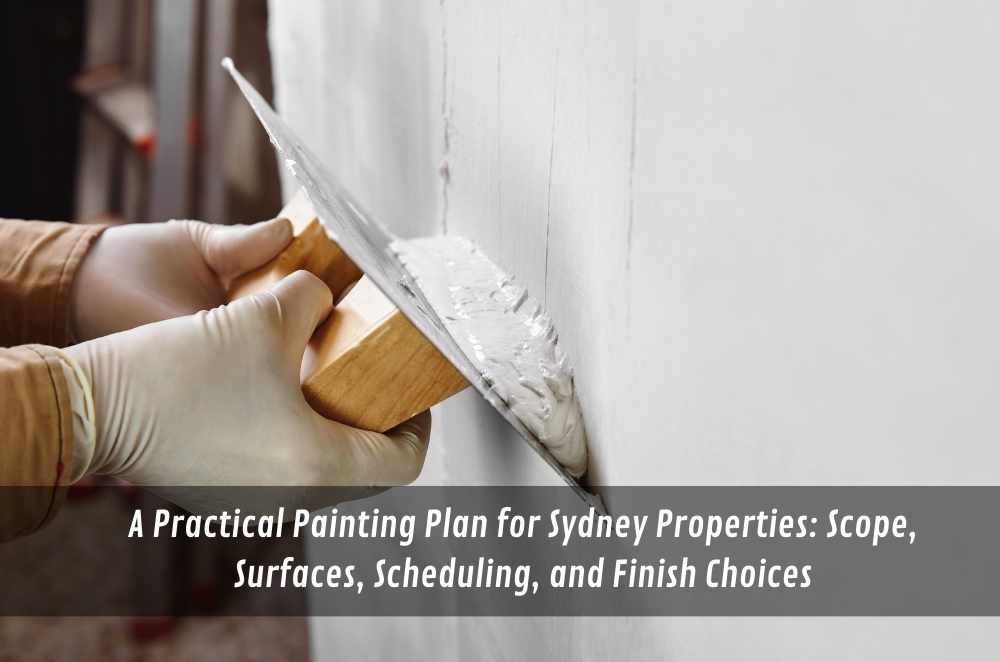
Prep is where most of the labour hides and where jobs succeed—or fail. Ask for a line-by-line scope:
Cleaning & deglossing: Will they sugar-soap, pressure-wash exteriors, or sand back sheen on trims?
Filling & repairs: Which gaps, cracks, and patching are included, and what counts as a variation?
Sanding grades: For doors and trims, what grit progression? Are they feathering edges on flake?
Primers/sealers: Type and brand; stain-blocking or bond-enhancing if you’ve got water marks or chalking.
A real quote names substrates (“weatherboard, rendered masonry, timber trims”), the process (clean → scrape → sand → fill → prime), and the materials by brand/system. “Light prep” is a red flag—it’s vague, and vague costs more later.
Quick anecdote: I once accepted a bargain quote that said “prep as needed.” We lost a day to surprise plaster repairs, then paid extra for a stain-blocking primer when old water marks bled through. The “cheap” job ended up mid-range—without mid-range planning.
2) Which paint system are you specifying—and why?
Paint “brands” are less important than systems: undercoat + topcoats designed to work together, matched to your surface and climate.
Ask for:
Sheen & product line: Low sheen acrylic on walls? Semi-gloss enamel (water-based) on trims?
Coat count: One undercoat + two topcoats is standard; any deviation should have a reason.
Exterior specifics: UV resistance, flexibility for weatherboards, and breathability for old masonry.
Colour coverage plan: If you’re going dark over light (or vice versa), are they using a tinted undercoat?
Decision tip: If two quotes are close, pick the one that documents the system. Painters who write down their system tend to follow it.
3) How will you manage lead or asbestos risks if they’re present?
Older Australian homes may contain lead-based paint and, in some areas, asbestos cement (e.g., eave linings). Even if your painter isn’t removing asbestos, they need safe work methods around it, and a plan for lead-safe prep. For straight-up guidance on when and how to renovate safely, see lead paint removal.
Ask your painter:
Will you test for lead on flaking areas before sanding?
If lead is present, will you use wet sanding, P2 masks, plastic containment, and HEPA vacs?
How will you capture and dispose of dust and chips?
Who documents this—site supervisor or crew lead?
If the answers are fuzzy, keep shopping. Safety isn’t an add-on; it’s the baseline.
4) What’s the timeline—and what could change it?
Bad weather, surprise repairs, and cure times all move dates around. Get a realistic calendar, not a wish list.
Start & finish windows: Are they giving a range or a firm week?
Sequence: Ceilings → walls → trims; exteriors by elevation (east/west) to chase shade.
Drying vs curing: Touch-dry isn’t “move the furniture back.” Trim enamels need longer.
Weather plan: How many rain days are budgeted? What’s the threshold for stopping exterior work?
If your planning brain wants a deeper dive, look for house painting timeline to map crew size, room count, and drying windows into a simple schedule.
Personal note: We once pushed a hallway repaint during a humid week. Looked fine at 5 pm; tacky at 7 am. The crew returned to ventilate and extend cure time—no charge because the timeline expectations were in the quote. Clarity saved an argument.
5) What does the warranty actually cover?
Most quotes tout a “5- or 7-year warranty,” but the fine print matters:
Workmanship vs product: Is the painter warranting adhesion/peel within normal conditions, or only the paint manufacturer?
Exclusions: Horizontal surfaces, high-traffic skirting, water intrusion, or substrate movement are often excluded—reasonable, if stated.
Fix process: If something fails, how soon can they attend, and do they spot-repair or redo a whole elevation?
Real warranties are boringly specific. Ask for a one-page summary attached to the quote; keep it with the paint receipts and colour codes.
Bonus: Pricing clarity that saves you later
You’re not chasing the cheapest number; you’re chasing the fewest surprises. A clean quote will itemise:
Area breakdown: Interiors by room (ceilings/walls/trims split); exteriors by elevation or substrate.
Prep and variations: What’s included, what triggers a variation, and the hourly or sqm rate for extras.
Access & protection: Scaffolding or edge protection outside? Floor/fixture masking inside?
Payment schedule: Small deposit, progress draw, final on completion after walkthrough—never 100% up front.
If you want neutral benchmarks on how painters price exteriors per area, keep exterior painting cost handy as a companion read before you sign.
How to compare quotes (copy this checklist)
Print this and tick it off against each quote:
Prep scope spelled out (clean, scrape, sand, fill, prime), with brands named.
Paint system listed (undercoat + topcoats, sheen levels, tinting plan).
Lead/asbestos plan (testing, containment, PPE, disposal steps if relevant).
Timeline with contingencies (weather, cure times, order of work).
Warranty summary (coverage, exclusions, response time).
Variations policy (what counts, rate per hour/sqm, approval process).
Protection & access (dust sheets, masking, scaffolding/edge protection).
Payment terms (deposit, milestones, final after walkthrough).
A quick word on colours and sheen (so you don’t repaint early)
Walls: Low sheen hides small imperfections; matte is on-trend but marks easier—great in bedrooms, less in stairwells.
Trims & doors: Semi-gloss enamel (water-based) balances toughness and low odour; gloss shows every brush-mark.
Ceilings: Flat ceiling white forgives roller lines and minor plaster waves.
Exteriors: Dark colours look sharp but run hotter; ask about heat-reflective tints if you’re set on a deep tone.
Final thoughts
Strong quotes read like short work plans: prep, products, timing, and the boring bits about risk and warranty. Keep your questions practical and written, not adversarial. Start by shortlisting specialists via residential painting, sanity-check safety for older homes with lead paint removal, and park a plan for timing and pricing depth with house painting timeline and exterior painting cost sqm before you sign. Do that, and the only surprises will be how much fresher your place looks when the drop sheets come up.








Write a comment ...